Euroluce, Reformatted
The 61st Salone del Mobile gave Euroluce a new master plan. The lighting sector finally stopped feeling like a basement.
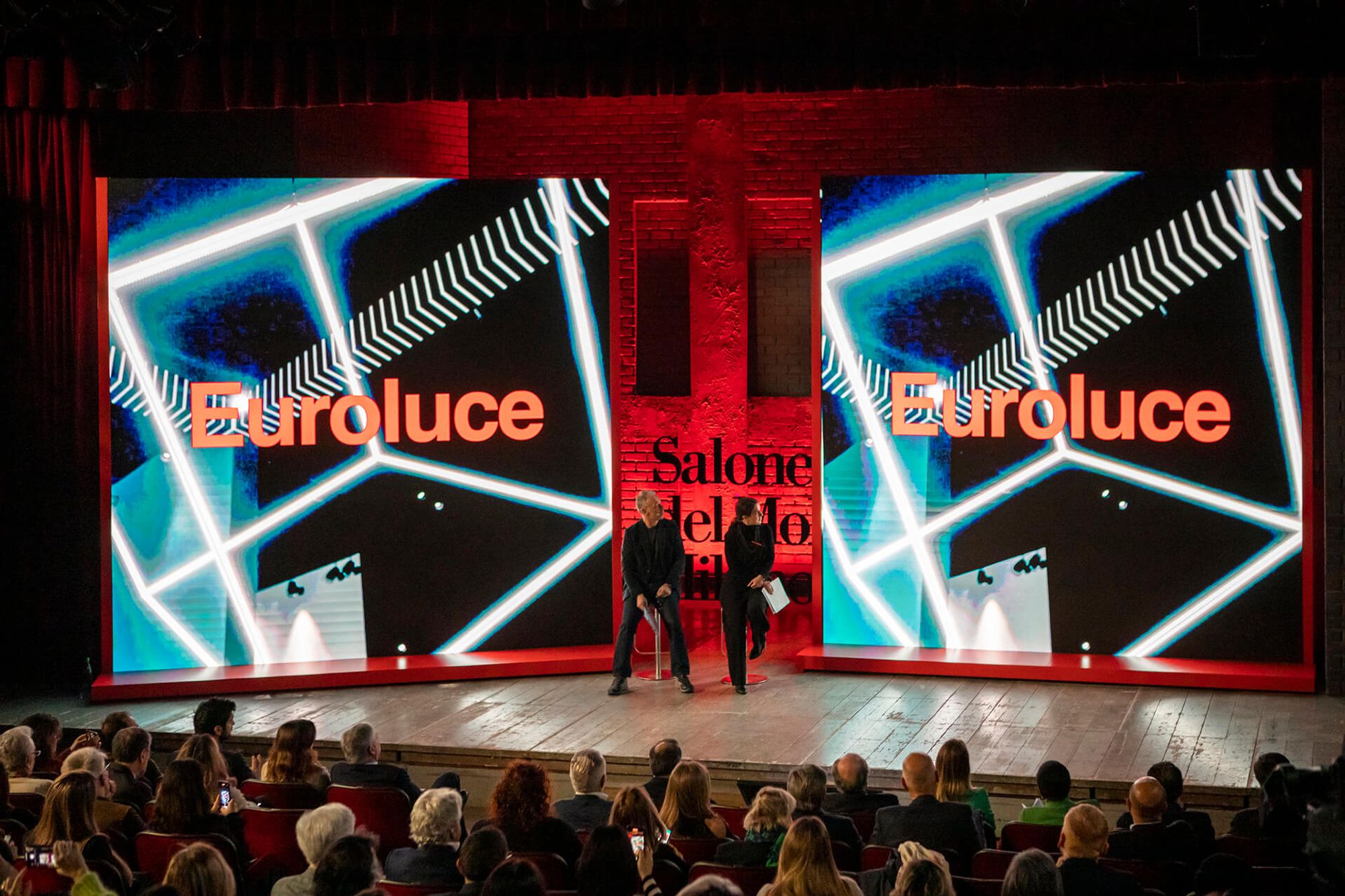
The 61st Salone del Mobile.Milano opened on the 18th of April 2023 and ran for six days. 307,418 attendees, up 15 per cent on 2022. Around two thousand exhibitors. Fiera Milano Rho in full. The year's centrepiece was Euroluce, the biennial lighting exhibition, which had been given a new master plan that restructured the four halls it occupied into something that read, for the first time, like a city rather than a storeroom.
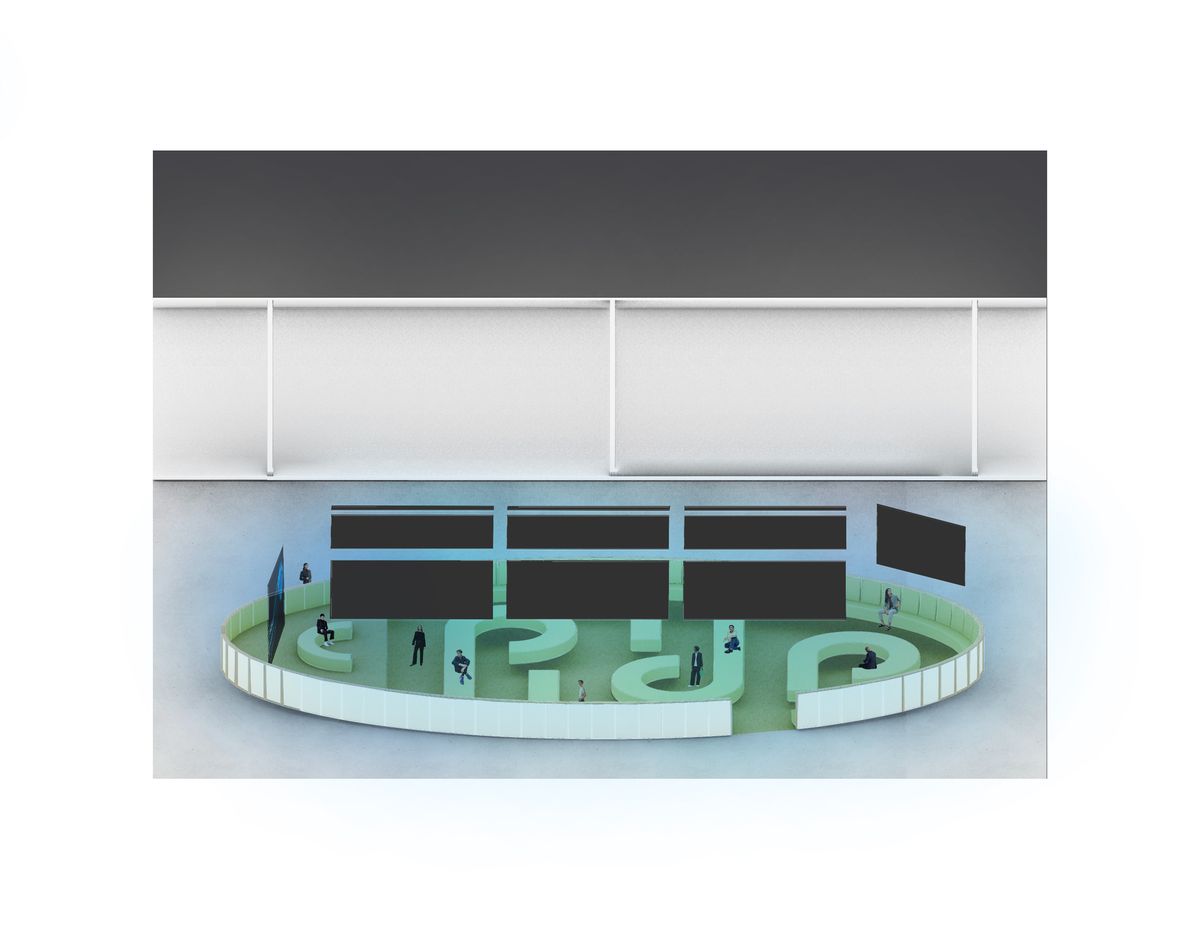
Euroluce had been, for most of its life, the most frustrating sector at Salone. Four hundred-plus lighting companies crammed into a grid of open booths, each flashing LEDs at its neighbour, a visitor's migraine by the end of the third aisle. The brands knew this. So did the visitors. For fifteen years the complaint had been that the format was broken. In 2023 the Salone board finally did something about it. The four halls were replanned under a team led by the architect Beppe Finessi with an intelligence borrowed from Italian historic town centres. Piazza-like clearings, corridor-like alleys, small surprise openings.
It worked. You could walk through Euroluce 2023 without getting a headache, which was new. The pause points, the piazzas, were given over to cultural programming: a Corraini bookshop designed by Formafantasma with the white-elephant calm of a room not quite selling anything. A small exhibition of twentieth-century Italian design ephemera. A sound installation whose volume was actually set at a human level. You sat down. You looked at a lamp. You got up. This is how Euroluce should have worked for thirty years.
Individual brands still put on a show. Flos had built a room you entered from the side, dominated by a hanging sculptural piece by Michael Anastassiades. Artemide had a Naoto Fukasawa collection that reminded you what rigour looks like in a portable lamp. Viabizzuno had, as usual, the most elegantly understated booth in the sector. Nemo showed a new Le Corbusier piece. Ingo Maurer had retrospective lighting sculptures in what amounted to a small museum. The brands that had been coming to Euroluce for decades had been given permission, finally, to act like galleries rather than wholesalers.
Elsewhere in the fair, Salone 2023 was the first post-pandemic edition that felt fully recovered. The big Italian manufacturers were back at pre-2019 confidence. Americans were buying. Chinese groups were meeting in side rooms that were, formally, not part of the programme. A fair's mood is a lot of small indicators taken together. This one was up.
Fornasetti staged the most talked-about standalone presentation of the year, a show called The Syntax of Making, which laid out three new collections of furniture and accessories. The show was at Palazzo Reale rather than at Rho, and that was the correct decision. Fornasetti inside a fair would have felt like an accessory. Fornasetti inside a Milanese palazzo felt like Fornasetti. The new collections, which included wooden cabinets, trays, mirrors, and porcelain, were hand-finished with motifs from the company archive. Each piece took the time Fornasetti pieces take. Each piece, accordingly, cost what Fornasetti pieces cost. There was a queue at the opening.
The 62nd edition of Salone was scheduled for April 2024. The new Euroluce, with its piazzas, was the thing the 2023 edition should be remembered for. Lighting is an awkward object, somewhere between furniture and building, and a fair that did not know how to stage it had been staging it anyway for fifty years. In 2023, someone finally asked what the hall would look like if it were a town. The answer was that the town was nicer to walk through. The lamps also, incidentally, sold better.